Finding a lump below the kneecap can feel like discovering an unexpected guest at a party—uninvited and slightly concerning. But before you start imagining the worst-case scenarios or Googling every medical term under the sun, it’s important to know that not all lumps spell trouble. In fact, many are harmless and might just be your body’s quirky way of saying, “Hey, look at me!”
This article dives into the world of painless lumps below the kneecap, exploring their potential causes and what you should really worry about. Whether it’s a benign cyst or just a little extra cushioning from your active lifestyle, understanding these lumps can help ease your mind. So, let’s unravel the mystery together and keep those worries at bay—because who needs stress when you’ve got a perfectly good lump to ponder?
Understanding the Lump Below Knee Cap No Pain
A lump below the kneecap can arise from various causes. Benign cysts often present as painless lumps in this area. These cysts typically contain fluid and do not signify serious health issues.
Natural anatomical variations, such as fat pad prominence, can create visible lumps. An active lifestyle may contribute to muscle hypertrophy, leading to thicker muscle tissue below the kneecap.
Some individuals may experience a bursa, a fluid-filled sac that cushions the joint, appearing as a lump. These bursae can form from repetitive motion or overuse, yet often remain painless.
In some cases, a lump may result from a morton’s neuroma, which is a thickening of tissue around a nerve in the foot, radiating to the knee area. Although this condition requires attention, it typically presents with little to no pain initially.
Understanding these variations helps demystify the concerns associated with a painless lump. While some conditions require monitoring, many are harmless and resolve independently. Consulting a healthcare professional offers clarity and assurance regarding any lump presenting below the kneecap.
Common Causes of Knee Lumps
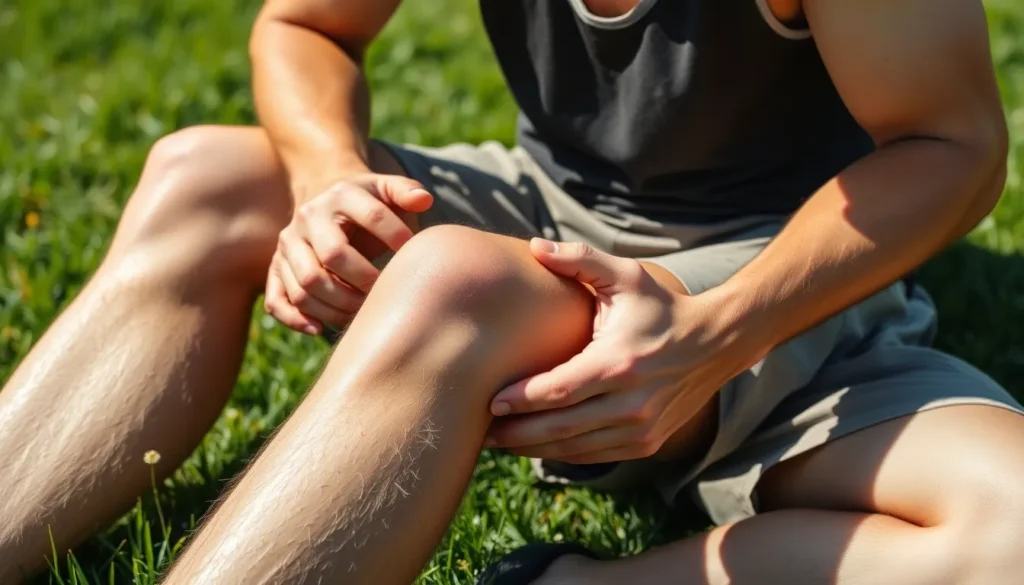
Lumps below the kneecap can have various origins. Understanding these causes can help ease concerns and guide appropriate actions if needed.
Fat Pad Impingement
Fat pad impingement occurs when the infrapatellar fat pad, located below the kneecap, becomes compressed. This condition may result from repeated movements, such as running or jumping. Symptoms often include swelling and discomfort when bending the knee. The fat pad can become enlarged, appearing as a lump. Treatment typically focuses on rest and physical therapy to relieve inflammation.
Baker’s Cyst
A Baker’s cyst forms when excess synovial fluid accumulates in the knee joint, creating a bulge at the back of the knee. This cyst may develop due to conditions like arthritis or meniscus tears, causing joint irritation. Although a Baker’s cyst can be noticeable, it usually remains painless. Most cysts resolve on their own, but monitoring is essential if swelling increases or mobility decreases.
Synovial Cyst
Synovial cysts result from synovial fluid leaking from the joint capsule into surrounding tissue. Commonly found near major joints, these fluid-filled sacs often appear near the kneecap. They can develop due to inflammation or trauma to the knee. While synovial cysts are typically harmless, they can become symptomatic, requiring medical evaluation to rule out other issues.
When to Seek Medical Attention
Recognizing when to seek medical attention for a lump below the kneecap is crucial for ensuring health and well-being. Some characteristics may indicate the need for an evaluation.
Signs of Concern
Notable signs include rapid growth of the lump or changes in its characteristics. If the lump becomes painful or begins to interfere with daily activities, those symptoms warrant prompt attention. Redness, warmth, or swelling around the lump can signify inflammation or infection. Persistent changes in mobility or functionality of the knee should also be addressed. Those who experience any accompanying symptoms such as fever or unexplained weight loss must consult a healthcare professional immediately. Understanding these indicators can help in early identification of potential issues.
Recommended Consultations
Consulting a primary care physician makes sense for personalized advice on lumps below the kneecap. An orthopedic specialist offers deeper insights into knee-related concerns and potential treatments. Physical therapists provide rehabilitation strategies if movement becomes restricted. In certain cases, it may be necessary to see a rheumatologist for systemic issues affecting the knee. Discussing concerns with healthcare providers ensures a tailored approach to diagnosis and management. Prompt attention to these recommendations leads to better health outcomes and peace of mind.
Self-Care and Management
Individuals with a painless lump below the kneecap can often manage their condition effectively through self-care practices and adjustments in lifestyle.
Home Remedies
Applying an ice pack to the area helps reduce swelling and provides relief. Elevating the leg may assist in decreasing inflammation as well. Compression wraps can offer support, minimizing movement around the lump. Gentle stretching exercises increase flexibility and strengthen the muscles surrounding the knee. Using over-the-counter nonsteroidal anti-inflammatory drugs (NSAIDs) may alleviate discomfort, if needed. These remedies often provide immediate support without significant intervention.
Lifestyle Modifications
Staying active contributes to joint health and overall well-being. Incorporating low-impact activities, like swimming or cycling, helps maintain fitness without straining the knee. Gradually increasing activity intensity allows muscles to adapt. Maintaining a healthy weight reduces stress on knee joints, which may minimize lump formation. Regular strengthening exercises targeting the quadriceps can enhance knee stability. Wearing supportive footwear aids in aligning the joints properly and may alleviate tension.
Finding a lump below the kneecap can be concerning but it’s essential to remember that many of these lumps are harmless. Understanding the potential causes can help alleviate anxiety and promote a proactive approach to health.
Monitoring changes and recognizing when to seek medical advice are crucial steps in managing any knee-related concerns. By staying informed and consulting healthcare professionals when necessary, individuals can ensure their overall knee health remains a priority.
Embracing self-care practices and maintaining an active lifestyle can further support knee stability and comfort. With the right knowledge and resources, navigating this experience can be much less daunting.