In a world where climate change feels like that uninvited guest who just won’t leave, green tech advancements are stepping up to save the day. From solar panels that could power a small city to electric cars that make you feel like you’re driving the future, these innovations are shaking things up. It’s not just about saving the planet; it’s about making life a whole lot cooler while doing it.
Imagine a world where your morning coffee is brewed with energy from the sun, and your smartphone is powered by wind. Sounds dreamy, right? Green tech isn’t just a trend; it’s a revolution. Buckle up as we dive into the exciting world of eco-friendly innovations that are transforming how we live, work, and play—all while keeping Mother Earth a little happier.
Overview of Green Tech Advancements
Green technology has seen remarkable growth, driven by the urgent need to address climate change. Innovations in energy generation, such as solar panels and wind turbines, contribute significantly to reducing carbon footprints. Electric vehicles lead the automotive sector, offering sustainable alternatives that lessen dependency on fossil fuels. They promote cleaner air, providing immediate health benefits to urban populations.
Energy storage solutions, including advanced batteries, enhance the efficiency of renewable sources. These technologies ensure reliable energy supply, especially during non-peak generation periods. Smart grids also play a crucial role by optimizing energy distribution and consumption. They facilitate real-time data usage, enabling communities to manage their energy resources effectively.
In the agricultural sector, technologies such as precision farming and vertical gardens improve sustainability. These methods decrease water usage and chemical inputs while maximizing yield. Waste-to-energy processes convert organic waste into usable energy, fostering a circular economy.
Building innovations, like green roofs and energy-efficient designs, minimize environmental impacts. They offer improved insulation and reduce energy consumption. Smart home systems, integrating IoT devices, allow users to monitor and control energy use seamlessly.
Research and development in green tech are accelerating, with countries investing significantly in sustainable practices. Financial incentives and policies support businesses adopting these technologies, making them more accessible. The global shift towards green technology reshapes economies while promoting environmental stewardship. Innovations continue to pave the way for a future that emphasizes sustainability and resilience against climate change.
Renewable Energy Innovations
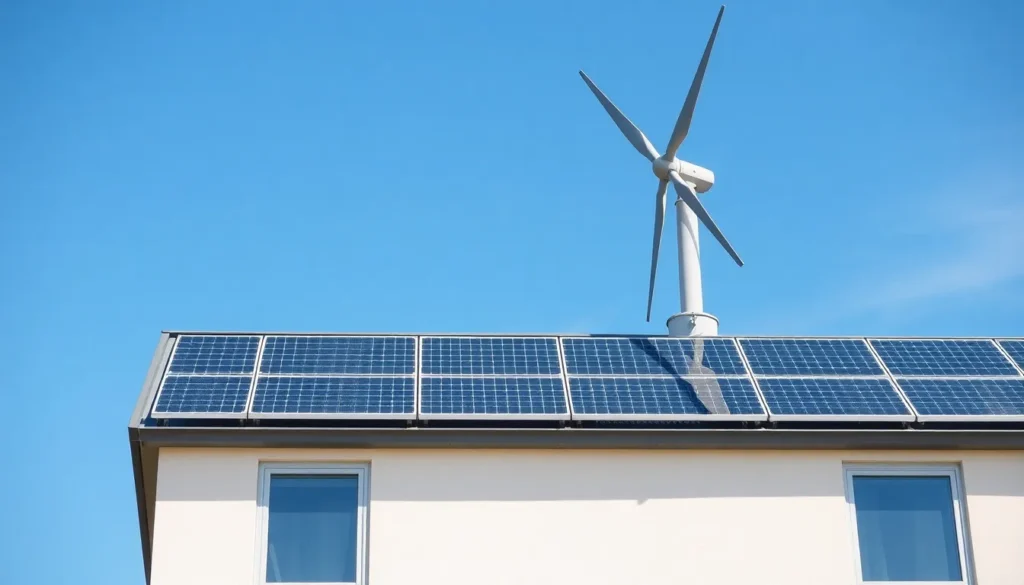
Renewable energy technologies are rapidly evolving, significantly impacting sustainability efforts worldwide. Continuous advancements in solar power and wind energy exhibit the potential for cleaner energy generation.
Solar Power Technologies
New solar panel designs improve energy efficiency, capturing more sunlight than previous generations. Bifacial solar panels generate power from both sides, enhancing energy output. Integration with smart grids allows for optimized energy distribution, reducing waste. Portable solar chargers provide flexible power solutions for outdoor activities. Developing solar windows enables buildings to harness energy without compromising aesthetics. These innovations contribute to effective adoption of solar energy in both residential and commercial sectors.
Wind Energy Developments
Innovations in wind turbine designs lead to increased efficiency and reduced environmental impact. Smaller, vertical-axis turbines become suitable for urban areas where space is limited. Offshore wind farms offer greater energy output, taking advantage of powerful maritime winds. Advanced materials enhance turbine durability against harsh weather conditions. Data analytics optimize turbine performance through real-time monitoring. Such advancements strengthen the role of wind energy in achieving renewable energy goals while lowering carbon footprints.
Sustainable Transportation Solutions
Sustainable transportation solutions play a vital role in reducing greenhouse gas emissions and promoting a greener economy. Innovations in this area focus on efficiency and reducing reliance on fossil fuels.
Electric Vehicles
Electric vehicles (EVs) are reshaping the automotive landscape. In 2022, approximately 6.5 million electric cars were sold globally, reflecting a 108% increase from the previous year. EVs produce zero tailpipe emissions, significantly improving air quality in cities. Numerous manufacturers are expanding their EV offerings, making electric models more accessible. Incentives for consumers, such as tax credits and rebates, further drive sales. Charging infrastructure projects support the growing demand, with over 100,000 public charging stations available across the U.S. Innovations in battery technology enhance range and reduce charging times, increasing consumer confidence and driving further adoption.
Alternative Fuels
Alternative fuels offer diverse options for sustainable transportation. Biofuels, hydrogen fuel cells, and compressed natural gas represent viable substitutes for conventional gasoline and diesel. In 2021, the U.S. biofuel production reached 16.1 billion gallons, promoting energy security and reducing carbon footprints. Moreover, hydrogen fuel cells produce only water vapor as a byproduct, making them a clean energy technology for vehicles. Compressed natural gas (CNG) vehicles also emit fewer pollutants than traditional fuels. Infrastructure for alternative fuels is expanding, with new refueling stations opening regularly. Government mandates and incentives encourage research and advancement in alternative fuels, boosting their viability for the future.
Energy Efficiency Improvements
Energy efficiency improvements represent a critical aspect of green technology advancements. Innovations in this area significantly reduce energy consumption across various sectors.
Smart Grid Technology
Smart grid technology optimizes electricity distribution. It allows real-time monitoring of energy usage and empowers consumers to make informed decisions. With features like demand-response capabilities and advanced metering infrastructure, smart grids enhance reliability and reduce peak energy demands. Their integration with renewable energy sources facilitates more efficient power use. According to the U.S. Department of Energy, smart grid investments could save up to $198 billion by 2025 through energy savings and reduced outages.
Energy Storage Solutions
Energy storage solutions play a pivotal role in enhancing energy efficiency. Technologies such as lithium-ion batteries and pumped hydro storage enable the capture and utilization of excess renewable energy. These systems provide backup during high-demand periods, ensuring reliability in energy supply. Recent reports indicate that the global energy storage market could reach 1,100 GWh by 2040, driven by increased demand for renewable integration. As a result, energy storage supports grid stability while reducing reliance on fossil fuels.
The advancements in green technology are not just a trend; they represent a fundamental shift towards a more sustainable future. As innovations continue to emerge across various sectors, the potential for a cleaner environment and improved quality of life becomes increasingly tangible. From renewable energy sources to sustainable transportation solutions, these technologies are paving the way for a resilient economy.
Investments in research and development are crucial in accelerating this progress. With supportive policies and growing consumer awareness, green tech is becoming more accessible and effective. As society embraces these changes, the collective effort to combat climate change gains momentum, offering hope for a healthier planet for generations to come.