In a world where innovation reigns supreme, creative technology is the secret sauce that spices up everyday life. Imagine a place where art meets algorithms and imagination dances with data. It’s not just about flashy gadgets; it’s about transforming ideas into reality in ways that’ll make even the most skeptical techie raise an eyebrow.
From virtual reality escapades to AI-generated masterpieces, creative technology is revolutionizing how we express ourselves. It’s like giving a paintbrush to a computer and saying, “Go wild!” As creativity and technology collide, the possibilities are endless, and the results are often downright hilarious. Buckle up as we explore this vibrant landscape where creativity knows no bounds and every pixel tells a story.
What Is Creative Technology?
Creative technology blends artistic expression with technical innovation. This field fosters the development of tools and platforms that enhance creativity. By integrating technology with traditional art forms, it opens new avenues for self-expression.
Virtual reality serves as a prime example. Artists can immerse audiences in interactive experiences, making art more engaging. Similarly, artificial intelligence plays a significant role in generating unique artworks and musical compositions. Tools like these expand the boundaries of what creativity can achieve.
Moreover, creative technology encompasses various disciplines. It includes digital design, interactive installations, and multimedia art. Each of these areas leverages advancements in technology to encourage innovation.
Collaboration often emerges from creative technology initiatives. Artists, engineers, and developers come together to explore new ideas. They create projects that reflect contemporary societal themes, making art more relevant and accessible.
Education also benefits from creative technology. Institutions use it to teach students about design thinking and problem-solving. By incorporating these tools into the curriculum, they prepare the next generation for a rapidly evolving creative landscape.
Engagement with creative technology often stimulates community participation. Festivals and hackathons invite individuals to express their creativity through collaborative projects. These events highlight the importance of teamwork in the development of creative ideas.
Creative technology represents a dynamic intersection of art and innovation. It continuously reshapes the creative landscape, providing endless opportunities for exploration and expression.
Applications of Creative Technology
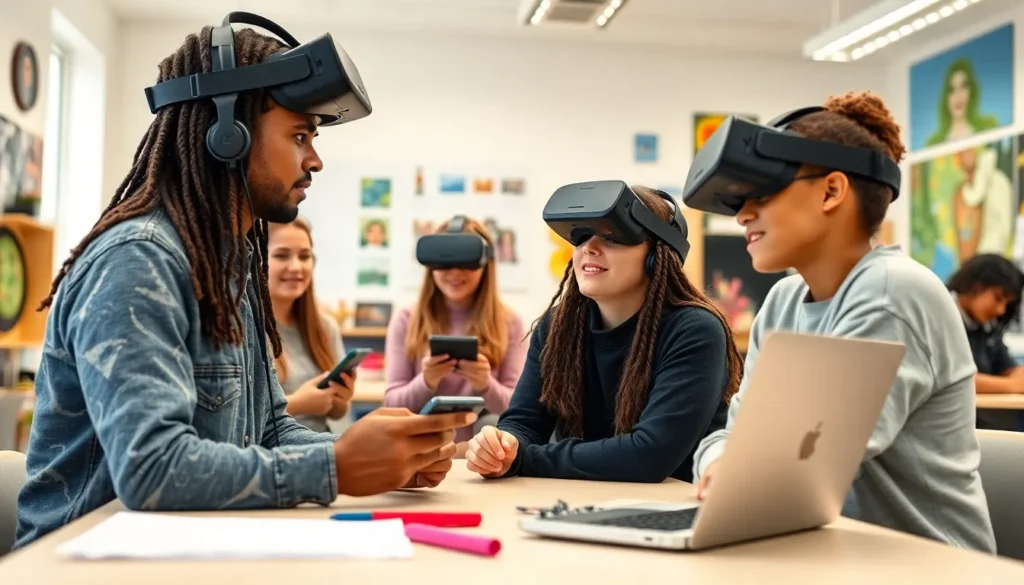
Creative technology finds applications across various sectors, driving innovation and enhancing experiences. Its impact touches education, arts, entertainment, business, and marketing.
Education and Learning
Creative technology revolutionizes education by integrating innovative tools into curricula. Institutions utilize virtual reality and augmented reality to create immersive learning environments. Students engage better with interactive simulations that illustrate complex subjects. Online platforms encourage collaborative projects, fostering teamwork and problem-solving skills. Furthermore, coding and digital design courses prepare learners for future careers, equipping them with vital skills in an evolving job market.
Arts and Entertainment
The arts and entertainment industry thrives on creative technology. Artists experiment with virtual reality and augmented reality to create interactive exhibits that captivate audiences. Music production increasingly leverages artificial intelligence for composition and sound design, pushing creative boundaries. Filmmakers employ sophisticated visual effects powered by technology, enhancing storytelling and viewer engagement. Live performances incorporate media art, creating multisensory experiences that blur the lines between art forms.
Business and Marketing
Businesses leverage creative technology to enhance marketing strategies and consumer engagement. Innovative tools such as interactive websites allow brands to showcase products through immersive experiences. Data analytics play a crucial role in targeting consumers effectively, personalizing marketing campaigns. Social media platforms facilitate direct interaction, enabling companies to gather feedback and adapt quickly. Additionally, augmented reality applications help customers visualize products before purchase, improving decision-making and satisfaction.
Benefits of Creative Technology
Creative technology offers numerous advantages that enrich various sectors. Its integration leads to more vibrant artistic expressions and collaborative efforts.
Enhanced Creativity
Creative technology amplifies inventive thinking. Artists and content creators leverage tools such as AI-generated art and virtual reality to push boundaries. These technologies foster new mediums and avenues for self-expression. Enhanced accessibility to creative tools empowers individuals to experiment beyond traditional constraints. Platforms that incorporate these technologies inspire unique projects, allowing for cross-pollination of ideas. This combination often results in innovative works that resonate with modern audiences.
Improved Collaboration
Creative technology enhances teamwork among diverse professionals. It encourages collaboration between artists, engineers, and developers to create compelling projects. Shared digital platforms facilitate seamless communication and real-time feedback, bridging gaps in creative processes. Tools like interactive installations invite input from multiple perspectives, enriching the final outcome. Collaboration often leads to solutions that reflect contemporary societal themes effectively. By integrating creative technology, teams can tackle complex challenges with diverse skill sets, resulting in richer creative experiences.
Challenges in Creative Technology
Creative technology faces significant challenges that must be addressed to maximize its potential. Key issues include accessibility and ethical considerations.
Accessibility Issues
Limited access to creative technology hampers inclusivity in artistic expression. High costs of tools and platforms restrict participation for underprivileged individuals and communities. Many regions lack the infrastructure needed for internet and technology, leading to digital divides. Users with disabilities experience additional barriers when technology isn’t designed with their needs in mind. Enhanced efforts are necessary to make creative technology more widely available and user-friendly for everyone.
Ethical Considerations
Ethical concerns arise with the rise of creative technology, particularly regarding ownership and authenticity. Issues related to copyright and intellectual property protection are prevalent as AI-generated art gains prominence. Questions emerge about who truly owns pieces created with assistive technology. Moreover, the potential for misuse of technology in art, such as deep fakes and misinformation, raises moral dilemmas. Balancing innovation with ethical practices is crucial to foster trust and integrity in the evolving landscape of creative technology.
Future Trends in Creative Technology
Creative technology continues to evolve, leading to exciting possibilities. Innovations shape diverse fields, driving unique applications and experiments.
Emerging Technologies
Artificial intelligence stands at the forefront of creative technology. Machine learning algorithms generate artwork and analyze creative trends, opening new avenues for expression. Augmented reality and virtual reality enhance user experiences, enabling immersive storytelling in various formats. Blockchain technology plays a significant role in verifying ownership of digital assets, which helps address concerns about authenticity. Developers increasingly leverage interactive installations, combining physical and digital elements to engage audiences more deeply. These emerging technologies empower creators to push boundaries and redefine traditional art forms.
Impact on Society
Creative technology significantly influences society, reshaping how individuals experience art and culture. Enhanced accessibility allows diverse communities to engage with artistic expressions. Institutions utilize technology to create inclusive environments, promoting participation among underrepresented groups. The blend of creativity and technology fosters community collaboration, drawing artists and technologists together to solve pressing issues. Businesses harness innovative tools to improve customer engagement, personalizing interactions in ways that resonate with consumers. Through these advancements, creative technology cultivates a more dynamic cultural landscape, celebrating innovation and diversity while addressing societal challenges.
Creative technology stands at the forefront of a revolution that intertwines creativity with innovation. As artists and technologists collaborate, they push the boundaries of what’s possible, creating immersive experiences that resonate with diverse audiences. The potential for enhanced self-expression and collaboration is vast, with tools that empower individuals to explore new artistic avenues.
While challenges like accessibility and ethical concerns remain, the ongoing evolution of creative technology promises to address these issues. With emerging trends shaping the future, there’s no doubt that this dynamic field will continue to redefine how society engages with art and culture. Embracing these advancements will lead to a richer, more inclusive creative landscape that celebrates diversity and innovation.